The Cloud: What is it and Why Does it Matter?
Many people have heard of "The Cloud," a term that has become almost synonymous with modern technology. Yet, despite its widespread use, there remains a considerable amount of ambiguity about what the cloud actually entails, especially among those outside the IT community. For IT enthusiasts and professionals, understanding the cloud is not just a matter of interest but a growing necessity. Today, we’ll delve into what cloud computing really means, explore different cloud computing platforms, and discuss the various ways cloud services can be delivered.

If you've ever used an app on your smartphone, it's likely that some part of it relies on cloud computing services. In simple terms, 'The Cloud' refers to a network of remote servers and services hosted by service providers. These services offer data storage, computing capabilities, and a broad range of functionalities, from web hosting to artificial intelligence. Instead of running processes locally on your phone or computer, these tasks are handled by servers located in data centers worldwide. This approach allows for more efficient data processing and storage, accessible from anywhere with an internet connection.

When discussing cloud computing, three major players usually come to mind: Microsoft Azure, Amazon Web Services (AWS), and Google Cloud Platform (GCP). These companies are industry leaders, offering a wide range of cloud-based services. However, it's important to remember that there are many other cloud service providers, each with unique strengths and specialties.
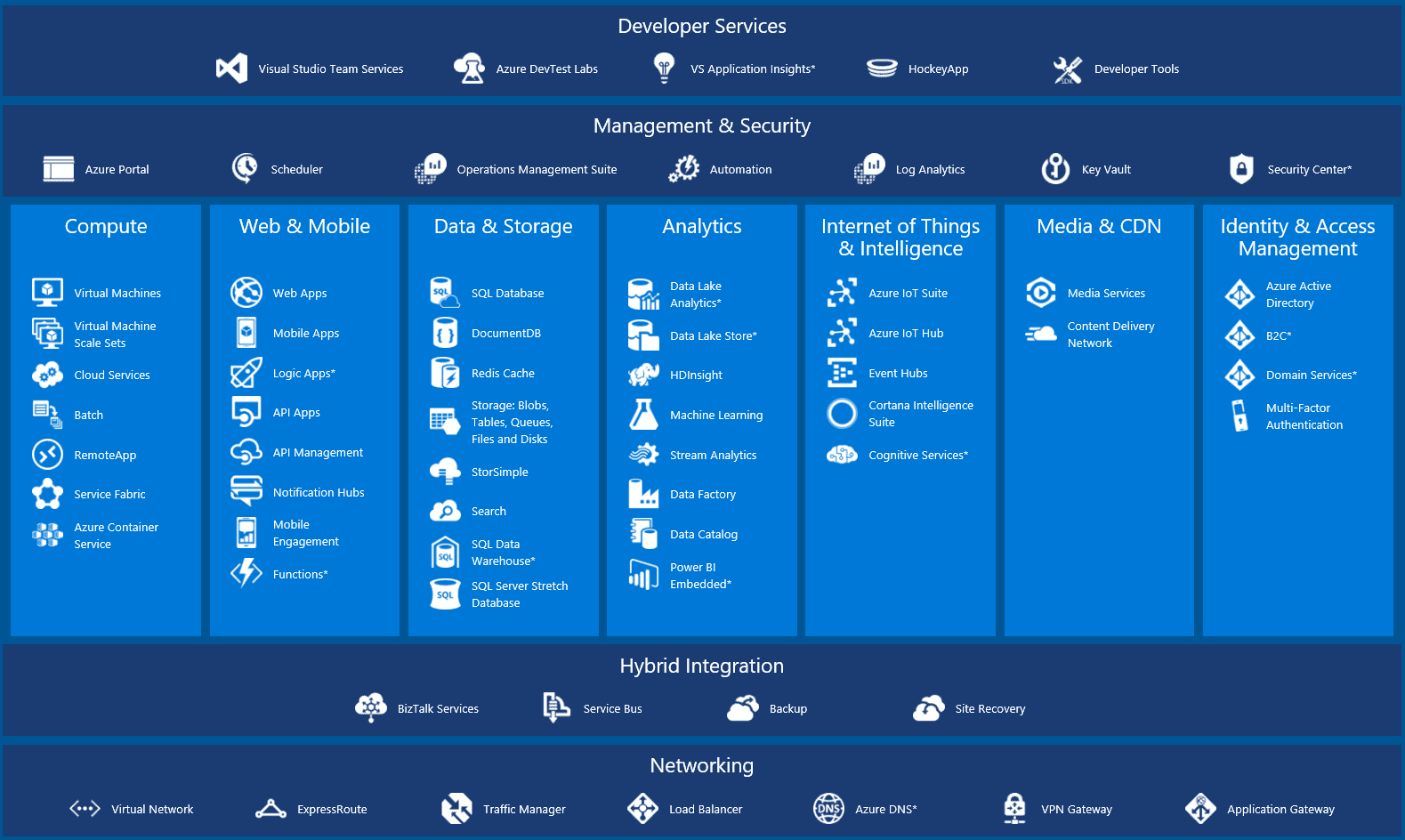
Microsoft Azure is known for its seamless integration with Microsoft products like Windows, Office 365, and SharePoint. It provides a comprehensive range of services, including virtual machines, databases, artificial intelligence, and IoT solutions. Azure is particularly popular among businesses that rely heavily on the Microsoft ecosystem.
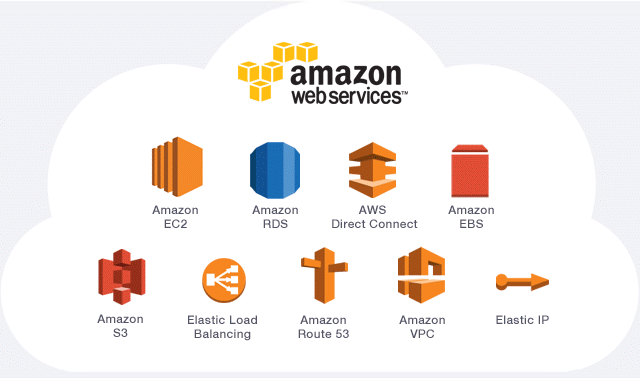
Amazon Web Services (AWS) is the largest cloud provider, offering a diverse array of services. AWS is known for its flexibility, allowing users to tailor cloud solutions to their needs. From simple storage and computing to advanced machine learning and analytics, AWS has a vast ecosystem of tools and services that cater to different business requirements.
Google Cloud Platform (GCP) is recognized for its robust machine learning and data analytics capabilities. GCP offers scalable computing and storage solutions, with a focus on big data processing and AI-driven applications. Google’s experience with large-scale infrastructure underpins its cloud offerings, making it a popular choice for developers and tech-focused businesses.
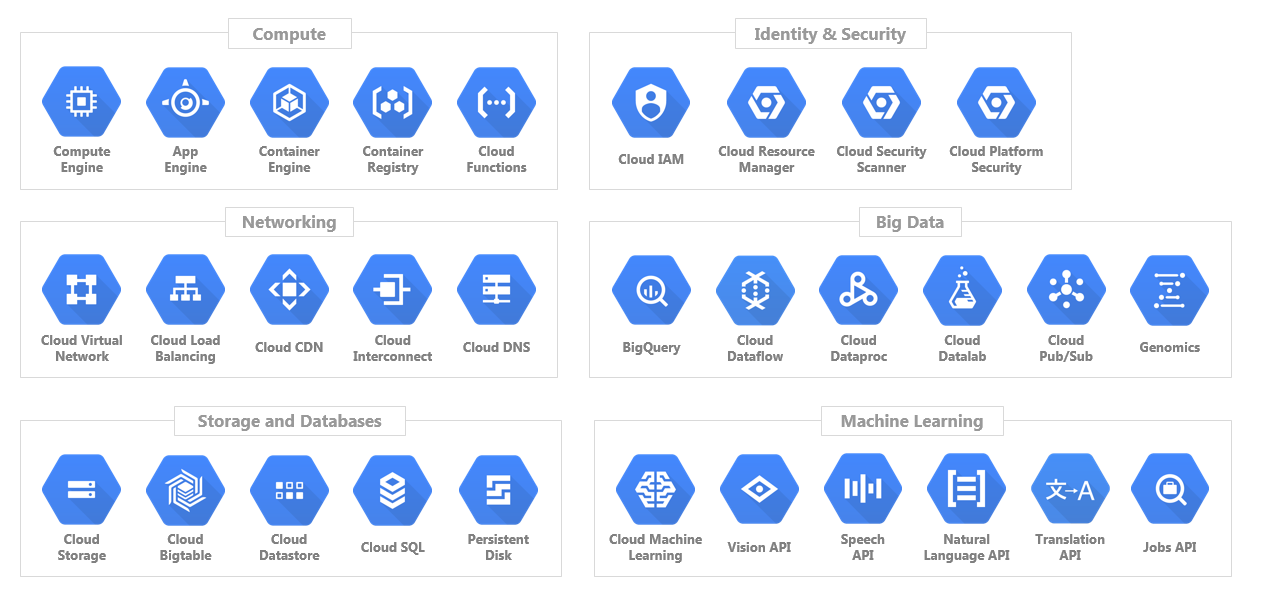
While these three are the most well-known cloud service providers, there are others, like IBM Cloud, Oracle Cloud, and Alibaba Cloud, that offer a variety of services and solutions. Each cloud platform has unique features, so choosing the right one depends on your specific needs and existing technology stack.
To give you an idea of how widely adopted the cloud has become, 94% of U.S. enterprise infrastructure decision-makers have adopted at least one cloud-based solution, with nearly two-thirds prioritizing IT and operations modernization in 2023. As a result, cloud-first strategies are increasingly popular. But the surge in cloud adoption isn't the only reason to embrace a cloud-first approach. The cloud offers numerous benefits that can significantly enhance an organization's flexibility, innovation, and overall success.

Scalability: Cloud platforms let organizations easily adjust resources to match demand, reducing the risk of over-provisioning and cutting unnecessary costs.
Flexibility: With the cloud, businesses can quickly adapt to changing requirements through a wide range of services and deployment models.
Security: Cloud providers invest heavily in advanced security measures, such as encryption, firewalls, and identity management, to protect customer data and ensure compliance with industry standards. This level of security is often more robust than what individual businesses can achieve on their own. Additionally, cloud platforms offer built-in backup and disaster recovery options, helping to safeguard against data loss.
Rapid innovation and deployment: Cloud environments enable companies to experiment with new ideas and quickly develop or deploy applications, allowing them to stay ahead in a fast-paced market by tapping into a vast array of cloud-based tools and services.
These are just a few of the advantages of utilizing the cloud for various services.
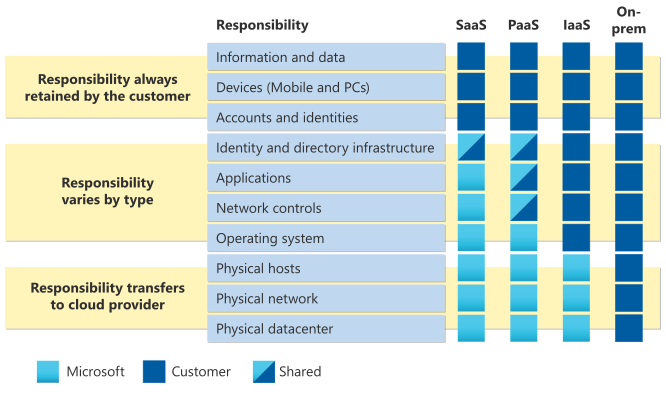
While many services and microservices are offered by various cloud providers, it's crucial to understand the different ways they're delivered. Here's a detailed overview of the primary cloud service models.
Software as a Service (SaaS)
SaaS is a cloud-based model in which software applications are delivered via the internet. Users can access these applications through a web browser without installing or maintaining them on their devices. SaaS solutions are typically subscription-based, reducing upfront costs and simplifying software management. Examples include Google Workspace, Microsoft 365, Salesforce, and Slack. SaaS is ideal for businesses seeking scalable, easy-to-use software solutions without the burden of infrastructure management.
Platform as a Service (PaaS)
PaaS provides a platform for developers to build, deploy, and manage applications without handling the underlying infrastructure. It offers tools, frameworks, and services that streamline development, allowing developers to focus on coding and innovation. Popular PaaS examples are Microsoft Azure App Service, Google App Engine, and Heroku. PaaS is a great choice for businesses wanting to create custom applications without managing servers or hardware.
Infrastructure as a Service (IaaS)
IaaS is a cloud model where users rent virtualized hardware resources like servers, storage, and networking on a pay-as-you-go basis. This model offers flexibility and control over the infrastructure without the cost and complexity of physical hardware. Leading IaaS providers include Amazon Web Services (AWS), Microsoft Azure, and Google Cloud Platform. IaaS is suitable for businesses that need scalable infrastructure with the freedom to configure resources to meet specific requirements.
Anything (AaaS)
Beyond the commonly known cloud service models like SaaS, PaaS, and IaaS, a variety of other "anything as a Service" models have emerged, illustrating the versatility of cloud computing. Today, you can find services for nearly any technology need. Function as a Service (FaaS), also known as serverless computing, allows developers to run code in response to specific events without managing servers. Another example is Video Platform as a Service (VPaaS), which offers the tools and infrastructure for building video-based applications. You can see how the cloud continues to evolve, providing solutions that meet a wide range of industry requirements.
Should You Move Everything to the Cloud?

So, now what? Should you migrate all your computing and services to the cloud? If you're like many organizations, you'll likely adopt a hybrid approach. Many companies use various cloud services while still maintaining some on-premises infrastructure. This is often due to data sovereignty concerns and the massive effort required to migrate everything to the cloud.
Additionally, some companies specialize in helping organizations migrate their data, services, and users to the cloud. This makes the transition smoother but doesn't eliminate all challenges. If you're considering the cloud, it's worth exploring how other businesses are handling their hybrid environments and seeking expert advice.
Exploring Cloud Computing for Yourself
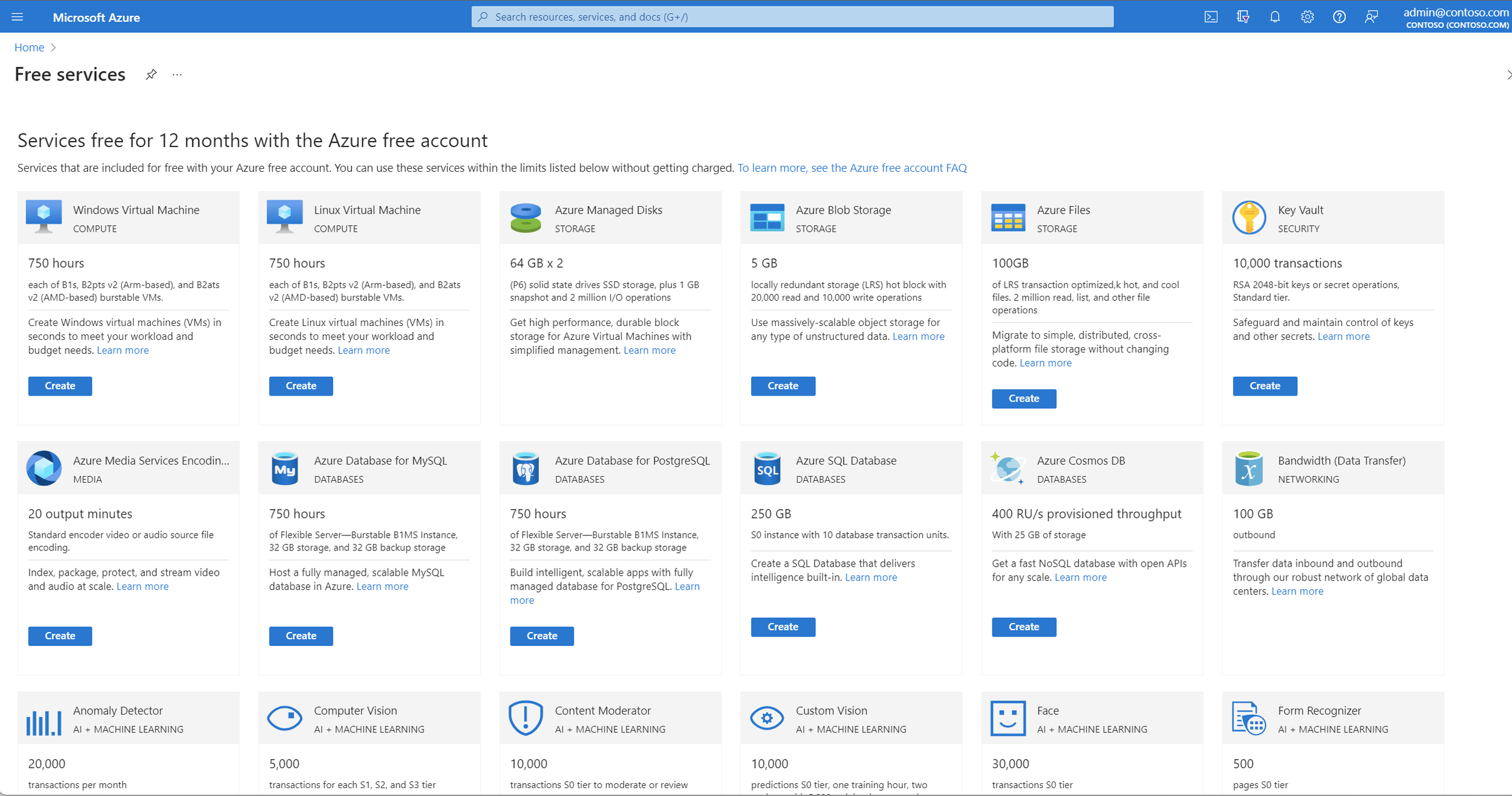
If you're a tech enthusiast like I am, you'll want to get hands-on experience with cloud platforms. I highly recommend creating an account on one of the major cloud providers to experiment with different services. You could spin up a Linux virtual machine, create a virtual network, or explore the various tools available.
Microsoft, Google, and Amazon all offer free trials for their cloud platforms, so it's easy to dive in and discover cloud computing for yourself. And don't forget to check out some of our videos where we explore these platforms in detail!